The beauty industry's biggest would-be deal of 2026 is dead: the Estée Lauder Companies and Spain's Puig Brands announced on May 21, 2026 that they terminated discussions regarding a potential business combination, per the companies' joint statement, after Bloomberg reported in March that talks were underway on a mostly-stock deal. A combination would have united Estée Lauder's brands — MAC, La Mer, Le Labo — with Puig's Charlotte Tilbury, Byredo, and Rabanne in a group with about $20 billion in annual sales.
What happened between March and May?
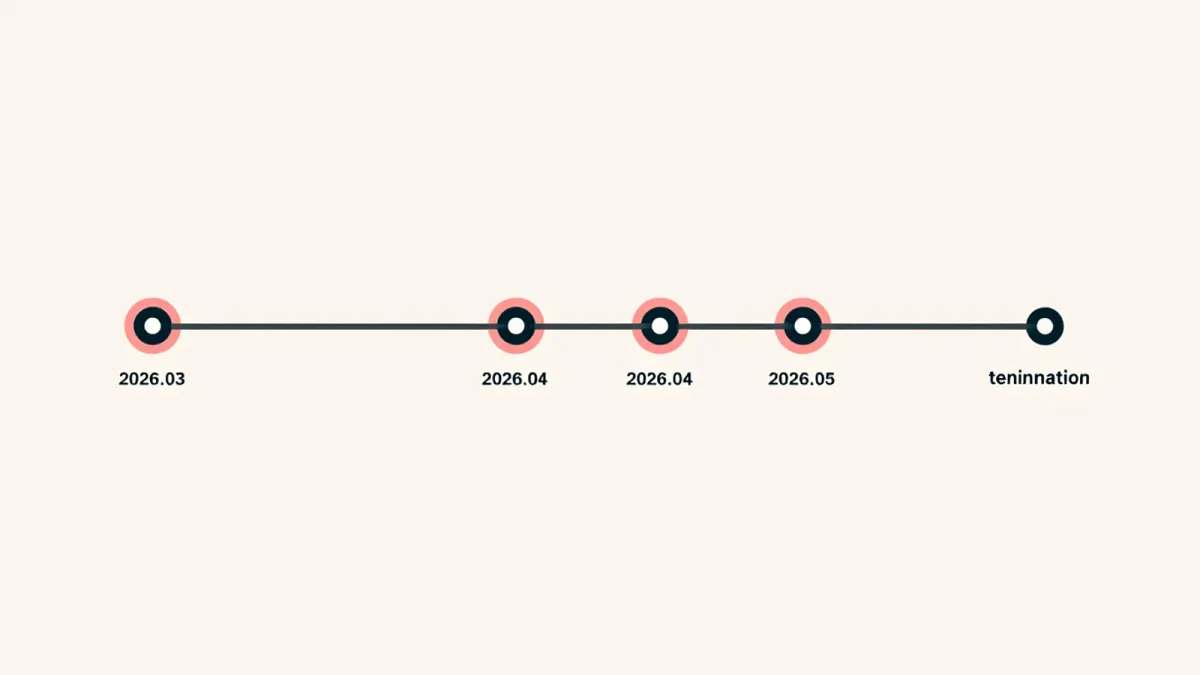
Per Bloomberg on March 23, 2026, Estée Lauder confirmed it was in talks to acquire Puig, and shares of both companies moved on the news; a follow-up report on April 1 described advanced negotiations on a mostly-stock structure. Puig's leadership, on its first-quarter call, said discussions were ongoing with no agreement reached, per company statements. Then came the joint announcement on May 21 that the parties had ended discussions — no transaction, no explained post-mortem, and, notably, no immediate successor strategy announced by either side.
Why did the merger make sense on paper?
Because the two companies mirror each other's gaps. Estée Lauder, the American prestige giant, is fragrance-light relative to its size and has spent recent years restructuring amid weak travel-retail demand and a slow China recovery. Puig, the family-held Spanish group behind Rabanne, Carolina Herrera, and Jean Paul Gaultier fragrances, plus Charlotte Tilbury and Byredo, is fragrance-rich and growth-hungry but sub-scale against LVMH and L'Oréal in distribution power. A merger priced around €18 to €19 per share in early reports, per press coverage, would have created the industry's strongest pure fragrance portfolio overnight.
Why might talks have failed?
The companies did not say, and this site will not speculate beyond the record: the announcement terminated discussions without stated reasons. What is documented is the structural friction such deals carry — Puig's founding family holds dual-class shares created expressly to keep control, and any absorption by Estée Lauder would have asked that family to trade independence for stock in a debt-carrying American acquirer mid-turnaround. Analysts cited by trade press also flagged integration risk: merging two prestige houses with overlapping retail partners is a two-year project even in the best case.
What happens next in beauty consolidation?
The collapse does not end deal appetite; it redistributes it. Puig remains an independent grower with a controlling family and a premium portfolio that suitors will circle again. Estée Lauder continues its profit-recovery plan under existing leadership, with portfolio changes — divestitures, smaller acquisitions — more plausible than a transformational merger, per company commentary through mid-2026. For the industry, the May 21 announcement settled one question and left the larger one open: in a market consolidating around a few giants, Puig stays the largest prize not yet taken.