
Lifestyle Medicine: The Doctors Prescribing Habits Instead of Pills
A growing medical specialty treats chronic conditions with sleep, food, and movement. Here is what it actually involves, and what the evidence can and cannot promise.
Living well in a dense city: air quality, commuting, water hardness, salon and clinic standards, and adjustments that survive a New York schedule.
A growing medical specialty treats chronic conditions with sleep, food, and movement. Here is what it actually involves, and what the evidence can and cannot promise.
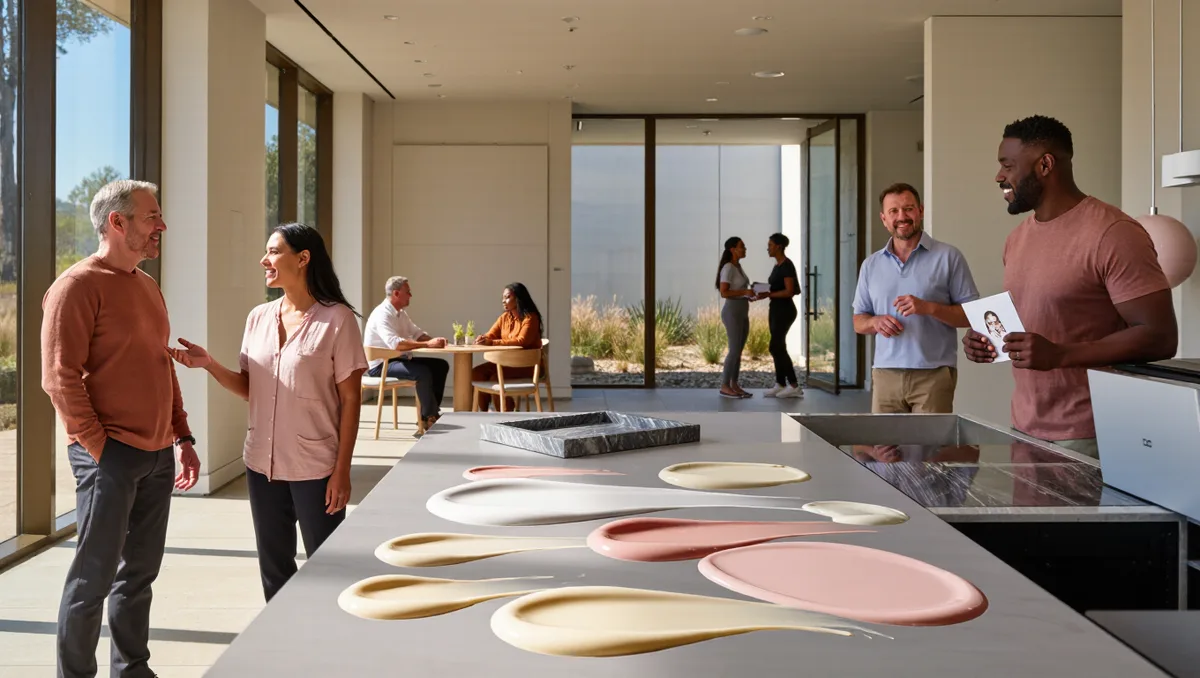
Haven of Peace spent years building a two-bedroom answer to a pandemic-era problem. The finished space arrives with lessons about how wellness infrastructure really gets funded.

The math behind SPF 15, 30, and 50 — and why doubling the number doesn't double the protection.
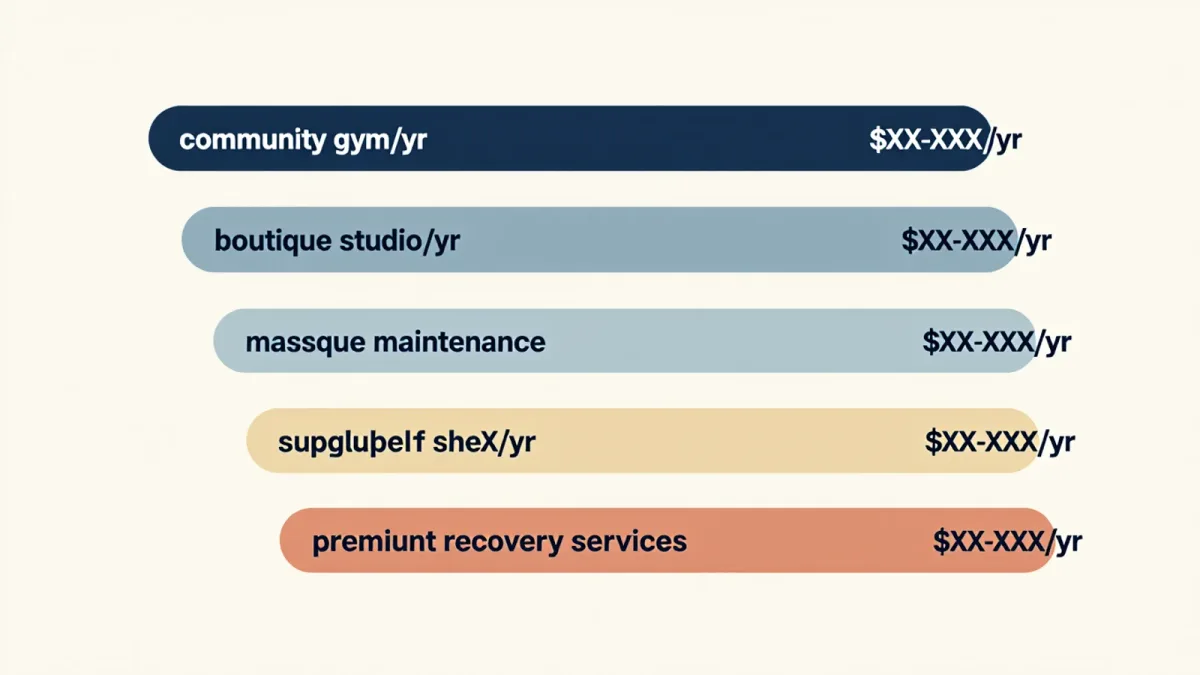
A representative New York wellness year — gym, a class pack, a massage each quarter, and a supplement shelf — runs roughly $3,500 to $9,000, against a global wellness economy the institute trackers value at $6.3 trillion.

Sleep research puts the comfortable bedroom near 66 to 70 degrees Fahrenheit, and trials show heat above that range cuts REM and deep sleep — while a warm bath taken an hour or two before bed reduces sleep onset.
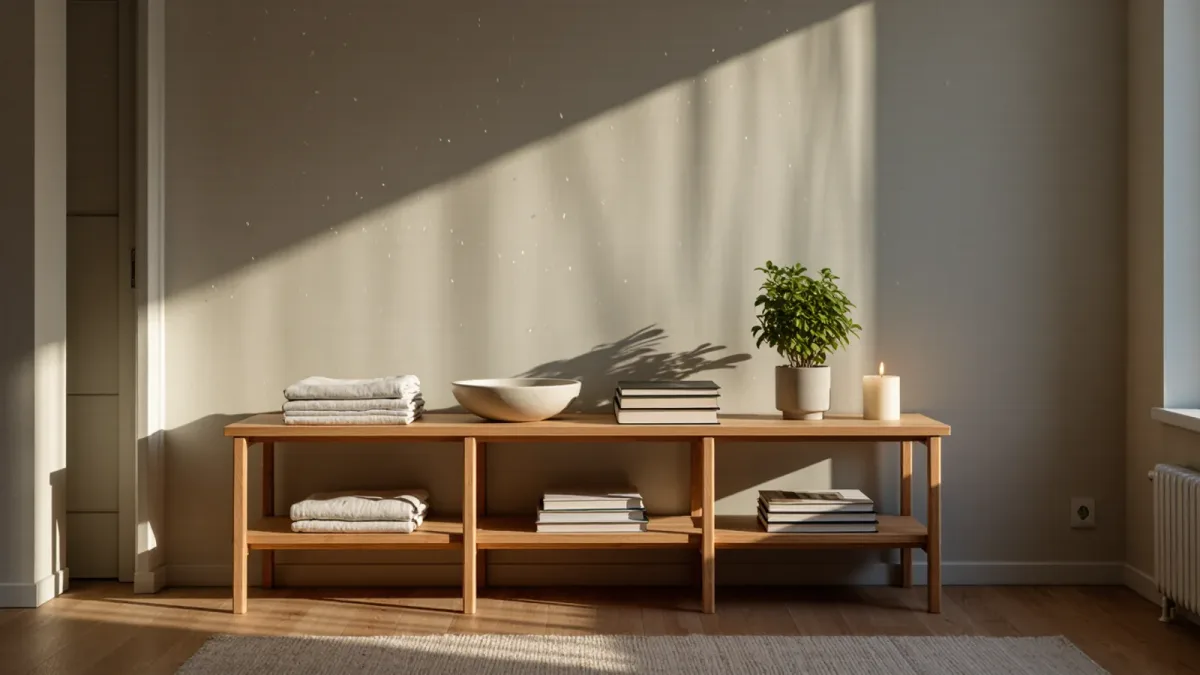
Home-clutter research links crowded rooms to elevated stress hormones and overloaded attention — a UCLA field study published in 2012 documented flatter, slower cortisol recovery in mothers of cluttered homes.