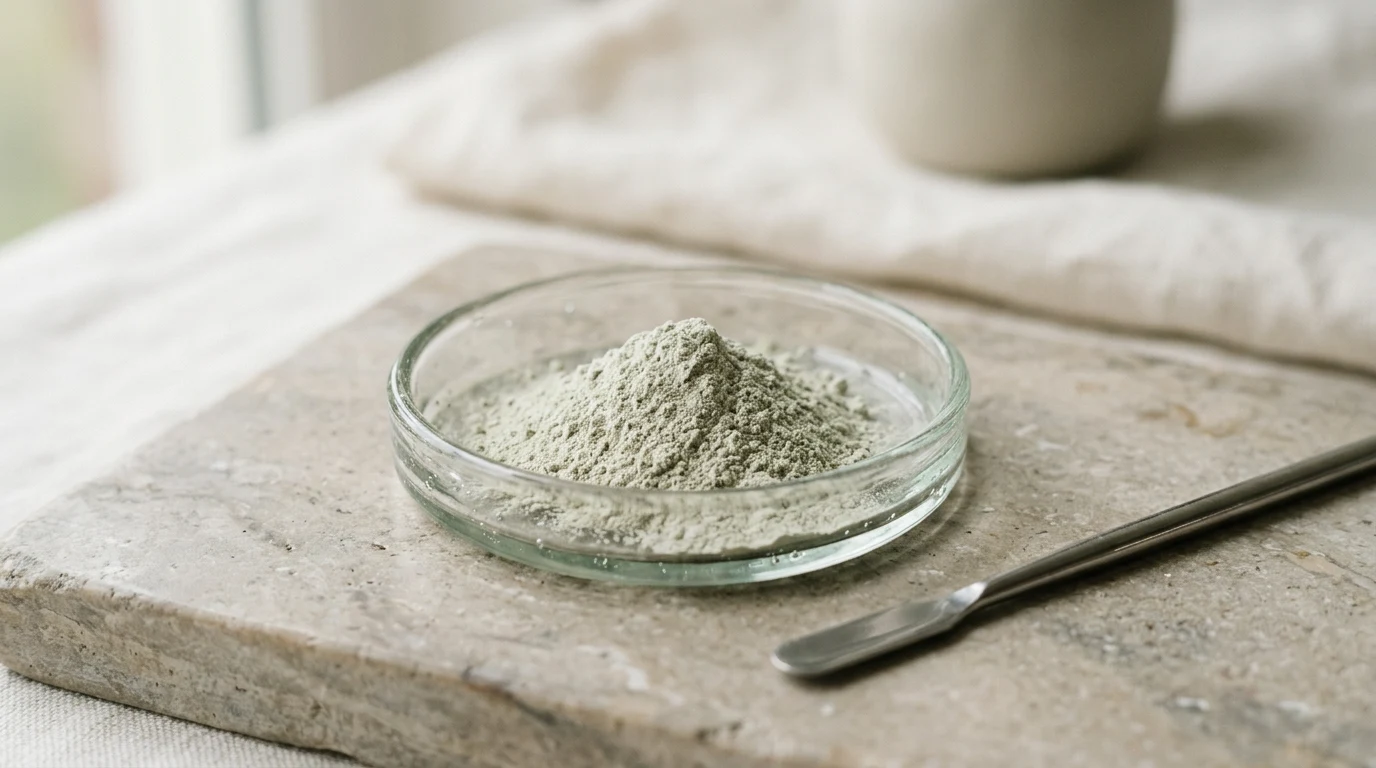
The FDA Proposed Standardized Asbestos Testing for Talc Cosmetics
A December 2024 proposed rule would require standardized testing of talc-containing cosmetics — the first federal method of its kind.
Product launches, restrictions on ingredients, contamination recalls and regulator decisions in cosmetics, with the substance and the exposure explained.
A December 2024 proposed rule would require standardized testing of talc-containing cosmetics — the first federal method of its kind.
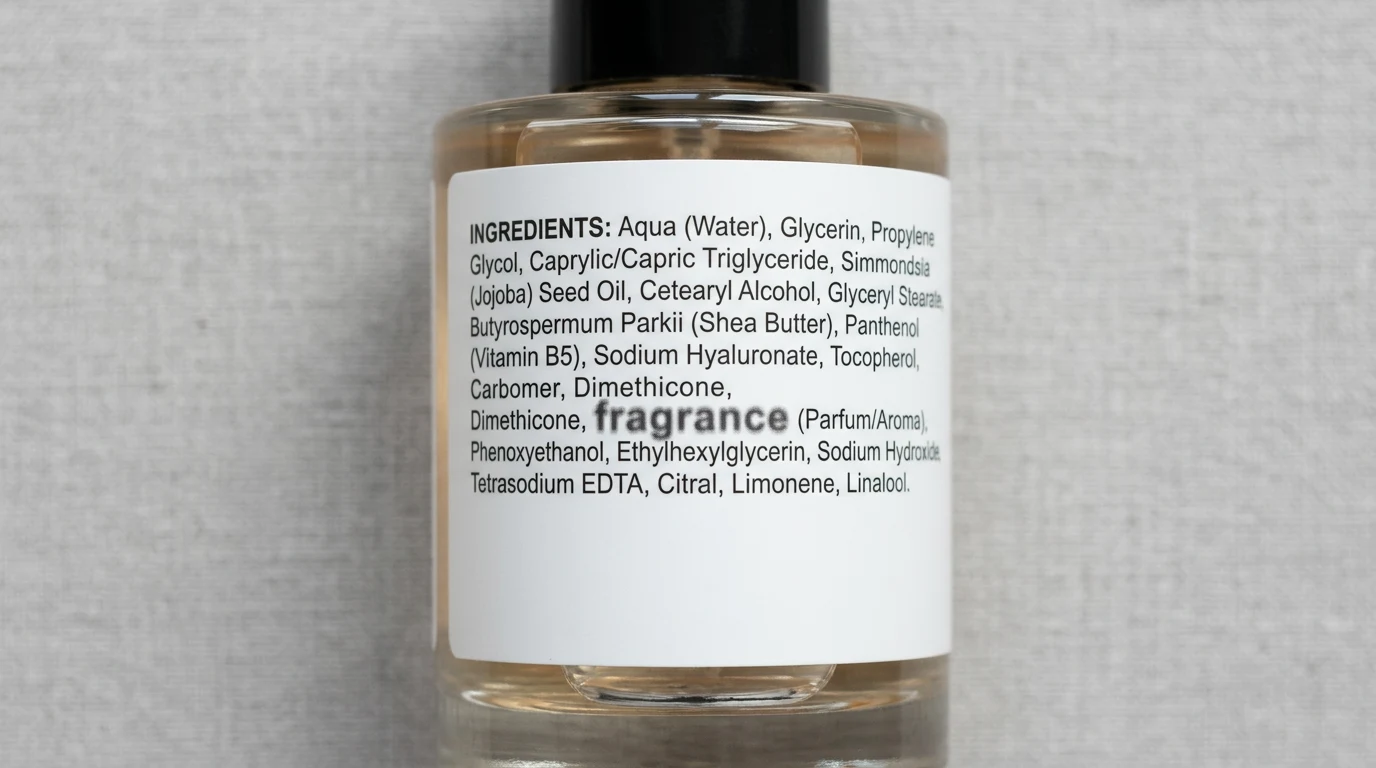
A 2022 law requires FDA to make brands disclose fragrance allergens on cosmetic labels. Here's why "fragrance" still means undisclosed today, and how far the rule has actually gotten.
The Estée Lauder Companies and Puig confirmed on May 21, 2026 that they terminated discussions on a potential combination that would have created a beauty group with roughly $20 billion in annual sales — a collapse that redraws the industry's consolidation math.
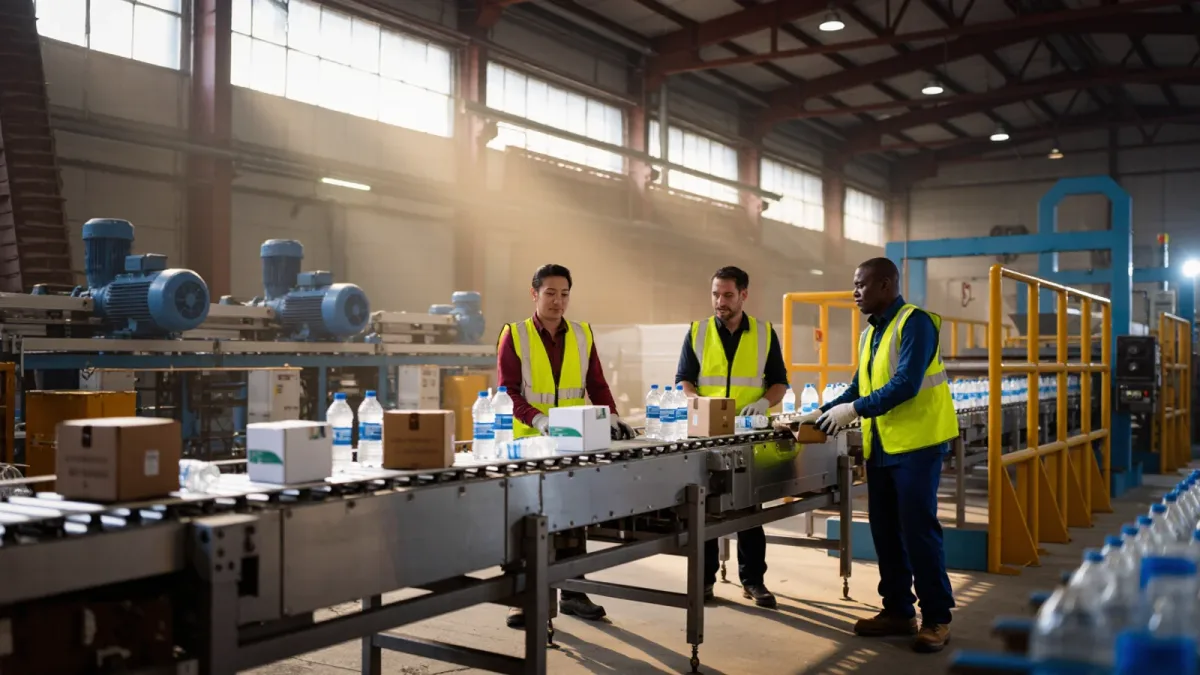
CalRecycle's final regulations under SB 54, the country's most sweeping packaging extended-producer-responsibility law, took effect May 1, 2026 — and cosmetics brands selling in California are counted among the producers who must join the system and report.

FDA issued a proposed administrative order on December 12, 2025 to add bemotrizinol — a photostable UV filter used widely in Europe and Asia — to the OTC sunscreen monograph at up to 6%, the first new sunscreen active the agency has advanced in about two decades.
At NYSCC Suppliers' Day 2026, held May 19–20 in New York, ingredient house Infinitee USA unveiled Infin Rejuve Bakuchiol, a plant-based retinol alternative — a launch that shows how the gentle-actives trend now starts in the supply chain, per the company.