The Fitness Influencer Test: How to Judge Advice Before You Follow It
A calm rubric for separating credentialed coaching from charismatic noise.
Fitness treats exercise as a physiological input with documented effects on circulation, sleep, body composition and mood. Coverage includes program basics, training around a compressed city schedule, and the interaction between sweat, sunscreen and skin. Claims about detoxing through exercise are corrected rather than repeated.
Training covered for measured effects on circulation, sleep quality, body composition and skin, plus what exercise cannot fix however consistent you are.
A calm rubric for separating credentialed coaching from charismatic noise.
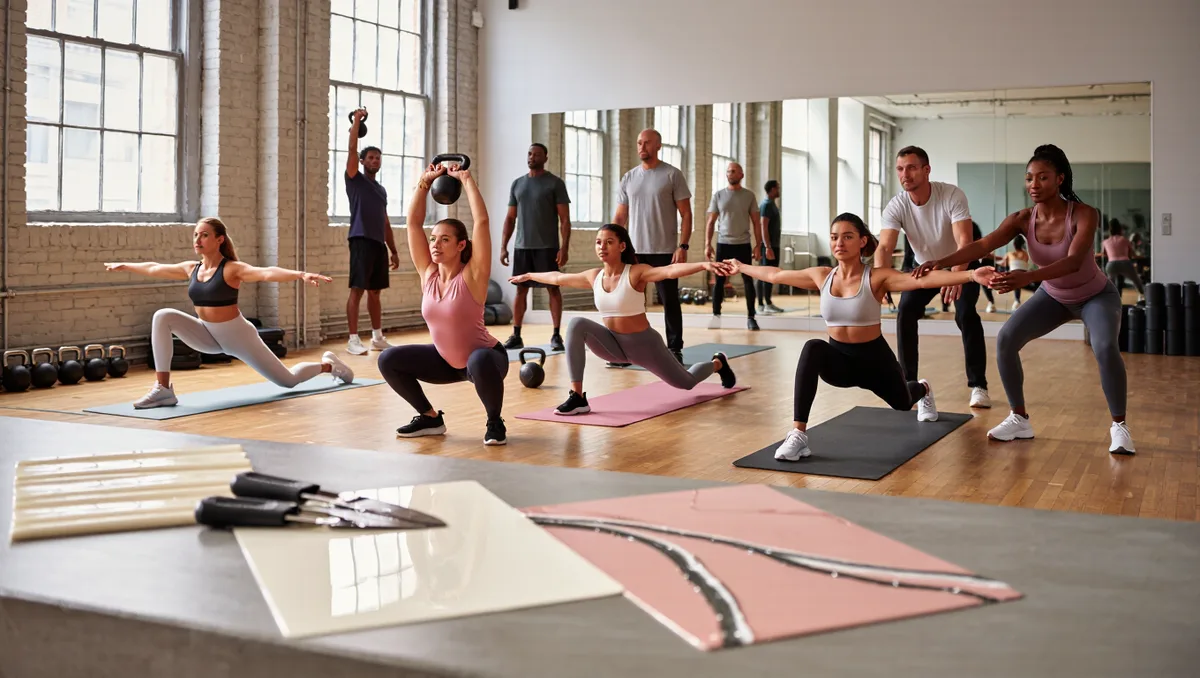
Matching your temperament to a class style matters more than chasing whatever is trending.

Why willpower fades by February — and the habit design that keeps training going without it.

The conversational-pace training trend has taken over group runs from Prospect Park to the West Side Highway. A 2025 review in Sports Medicine says the mitochondria math behind it is thinner than the hashtags suggest.
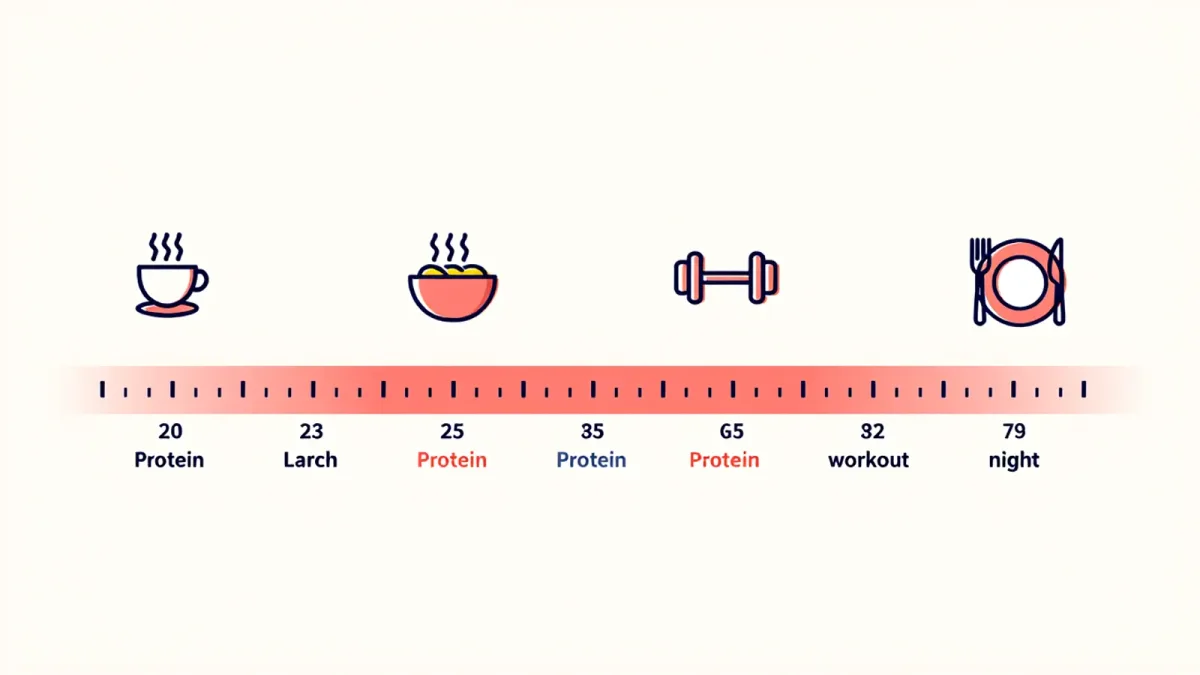
Total daily protein dominates the timing question, and the research window, where it exists at all, is measured in hours on both sides of training — not minutes.
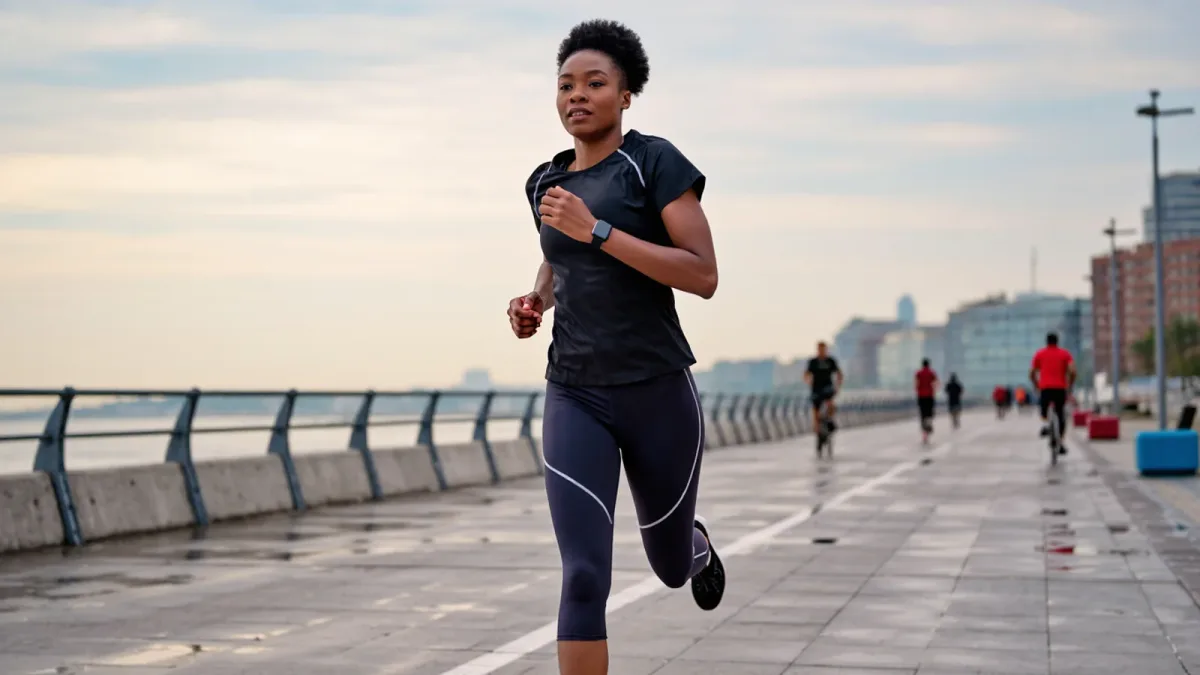
Step counts are the most trustworthy number on your wrist; heart-rate estimates trail behind, and calorie figures are the least reliable of all.