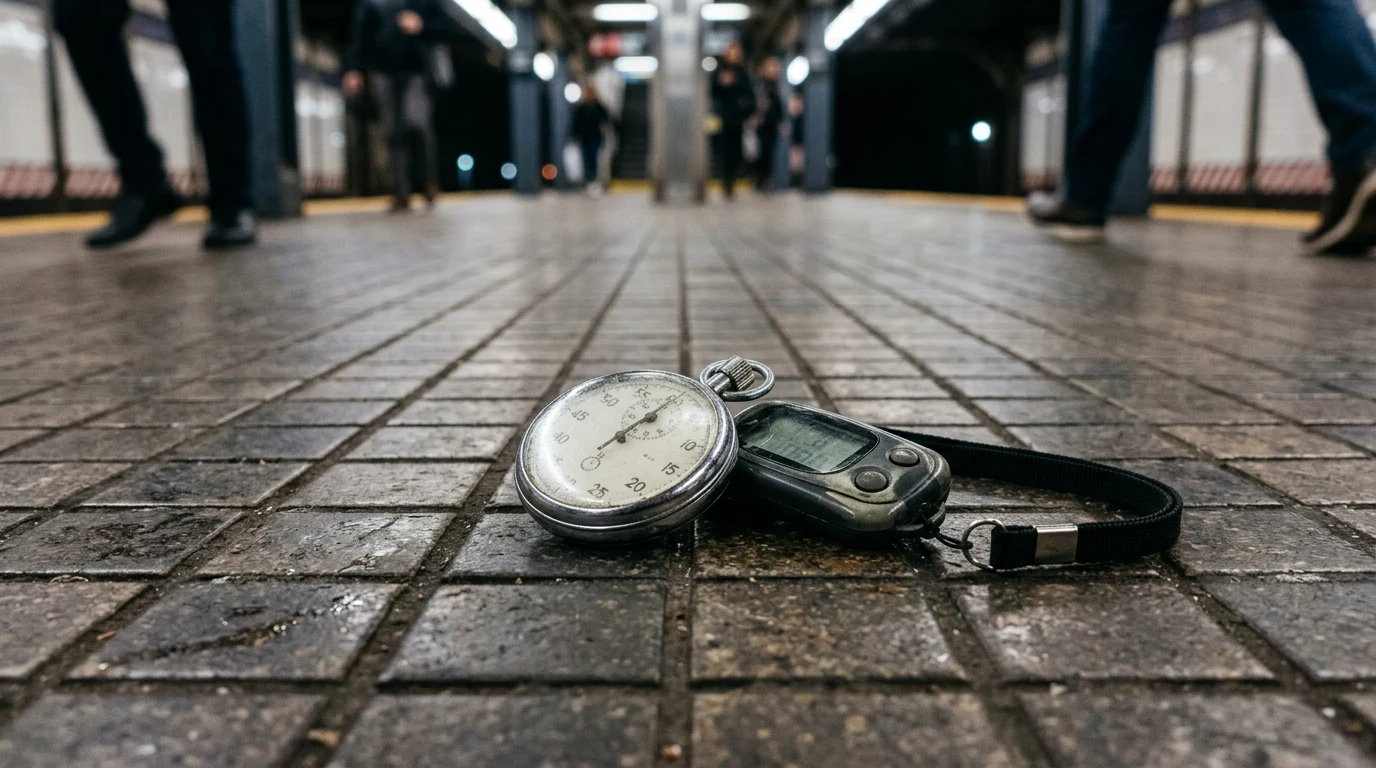
The 10,000-Step Question: What the Evidence Actually Supports
A pedometer sold the number in 1965. The federal guidelines are written in minutes, and the mortality research plateaus far lower — here is what each figure really describes.
Sleep, stress, hydration and diet assessed for what they visibly change, with the mechanism explained before any bottle enters the conversation.
A pedometer sold the number in 1965. The federal guidelines are written in minutes, and the mortality research plateaus far lower — here is what each figure really describes.
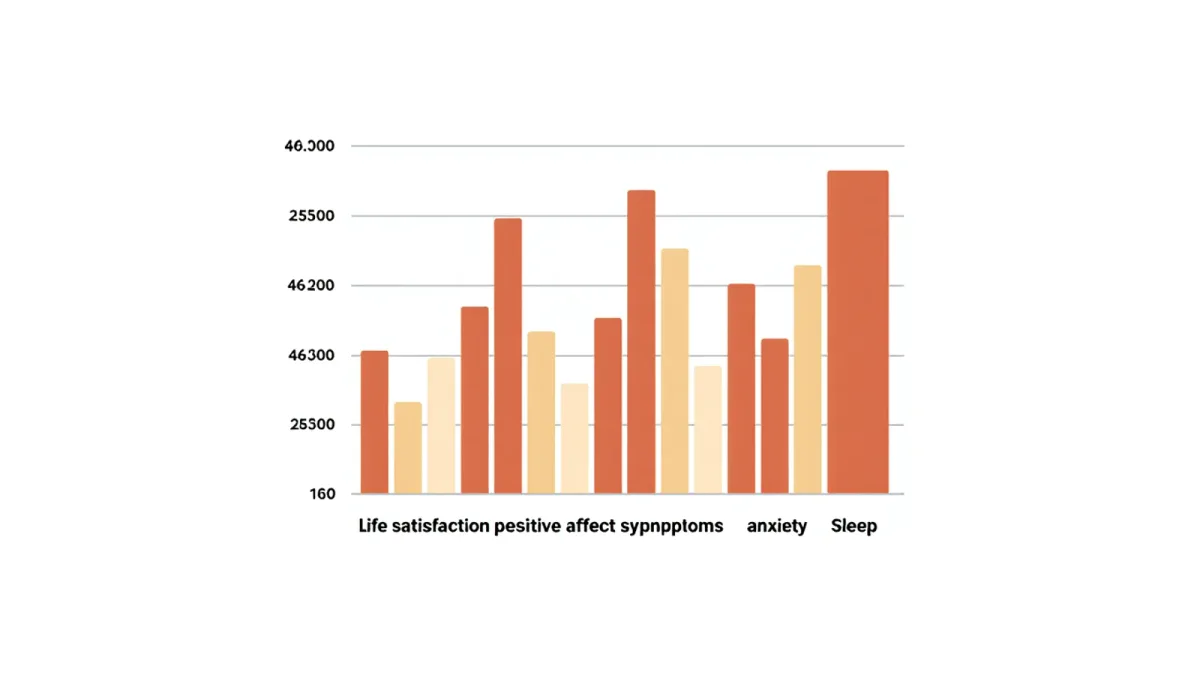
Randomized trials put gratitude journaling in the small-to-moderate range for well-being — around 0.3 in meta-analytic terms — with weaker and less consistent effects on depression and anxiety symptoms.

The eight-glasses rule has no scientific source; the 2004 dietary reference puts total water at 2.7 liters for women and 3.7 for men — most of it from drinks you already consume, thirst doing the regulating.
Randomized trials of one-week social media breaks show modest, real gains in mood and anxiety — with effects that fade after resuming and one stubborn exception: screen time itself barely moves.
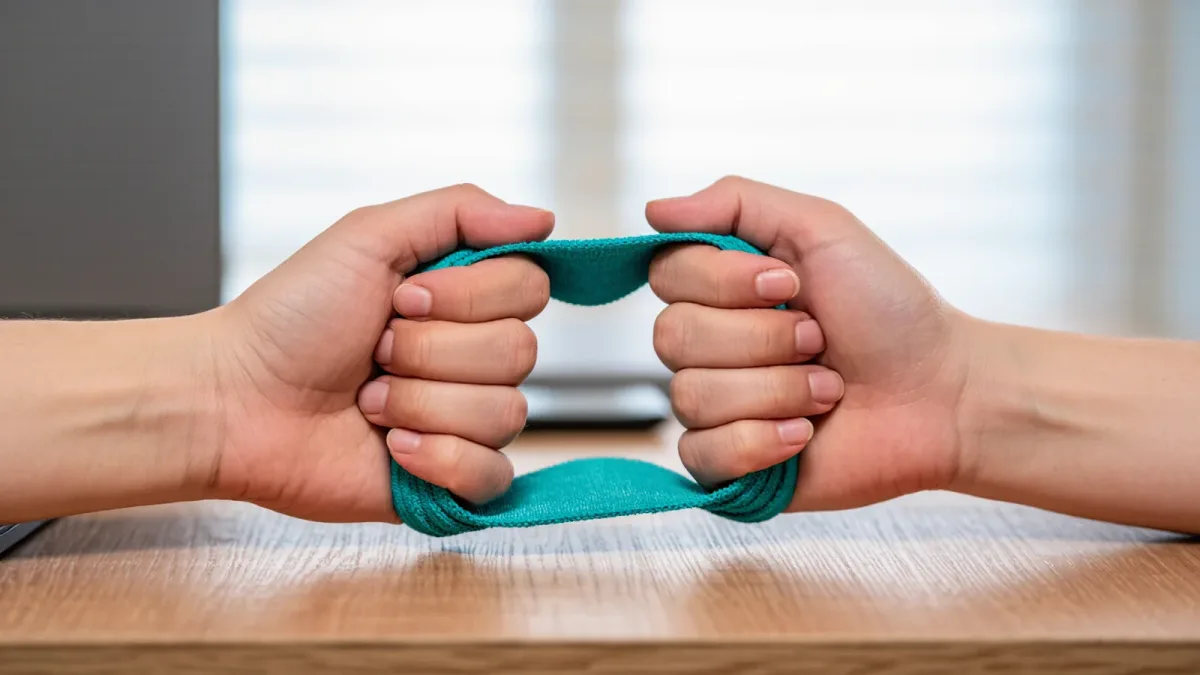
Stretching at your desk relieves discomfort and improves flexibility for the moment, but the strongest evidence against the office-day damage comes from standing up more often — not from stretching harder.
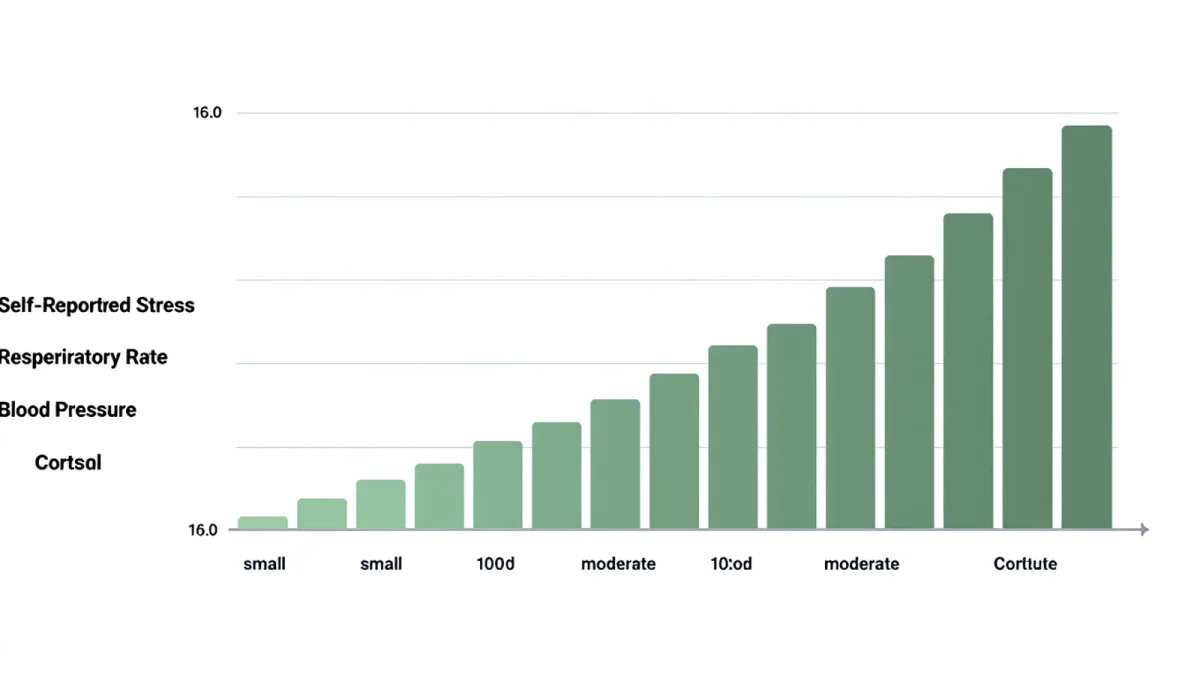
Controlled trials put slow-breathing practices in the modest-but-real range — comparable to relaxation training, clearly better than nothing, and not a substitute for treating anxiety disorders.