Ingredient supplier Infinitee USA unveiled Infin Rejuve Bakuchiol, a plant-based retinol alternative, at NYSCC Suppliers' Day on May 19–20, 2026 at the Javits Center in New York City, per Personal Care Magazine's May 20 report on the launch. The announcement matters to consumers indirectly: what suppliers pitch at this show is what formulators put into next year's serums.
What was actually launched?
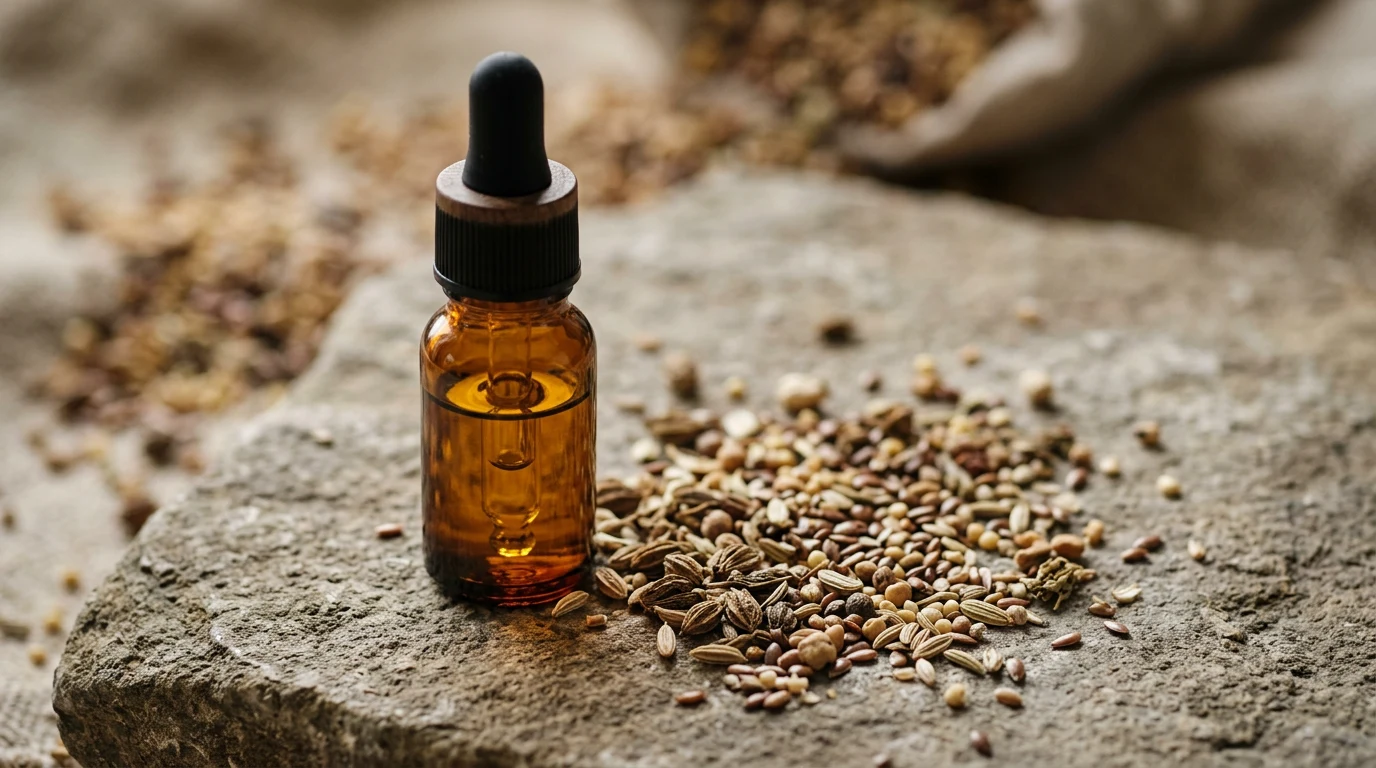
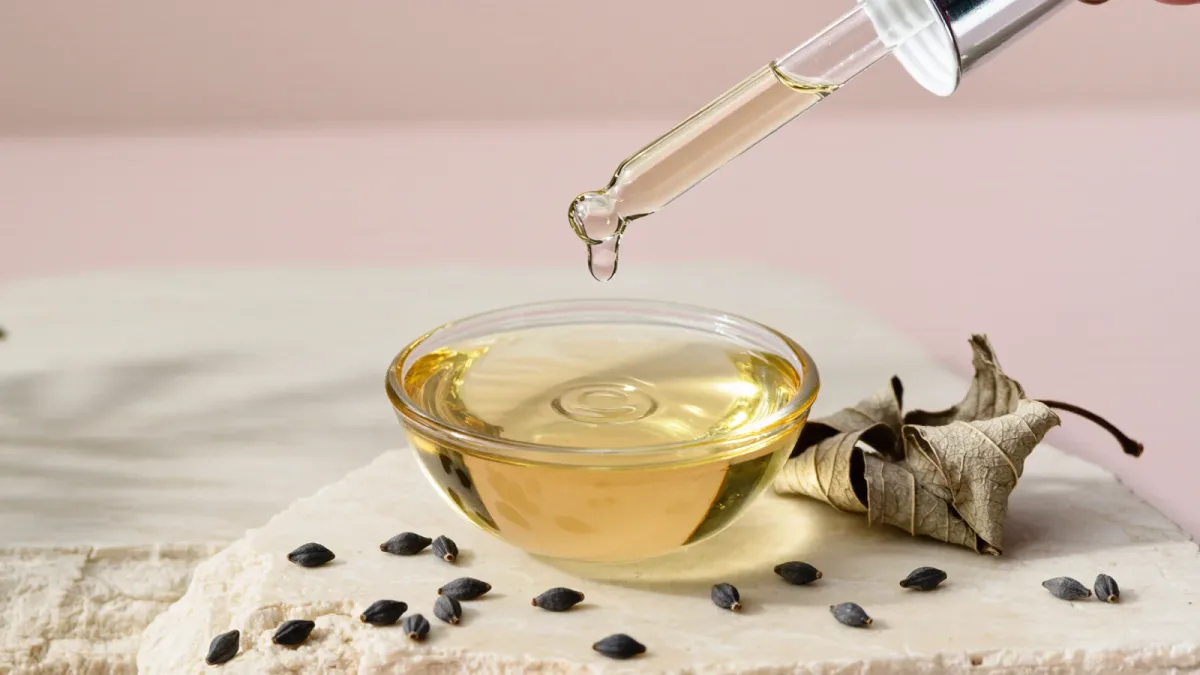
Details come from the company: Infin Rejuve Bakuchiol is a cosmetic ingredient derived from bakuchiol, a compound sourced from the seeds of Psoralea corylifolia, or babchi, a botanical long used in Ayurvedic and Chinese medicine. Per Infinitee USA, the ingredient is positioned for sensitive-skin and pigmentation-focused formulations, marketed as offering retinol-like benefits without the redness, peeling, or photosensitivity associated with retinoids. Booth 2067, per the company's announcement, is where the pitch met the formulators.
Does bakuchiol work like retinol?
The honest answer is that the evidence is thinner and different in kind. Retinoids are among the most studied actives in dermatology, with decades of prescription-strength trials behind them; bakuchiol's support rests largely on a small number of comparative trials and in-vitro work. A widely cited 2019 randomized controlled trial in the British Journal of Dermatology found a 0.5% bakuchiol cream comparable to 0.5% retinol for photoaging over 12 weeks, with less scaling — one trial, modest sample, worth knowing rather than over-reading. Supplier claims of collagen stimulation and antioxidant activity, per the company, come from that younger, smaller evidence base and should be labeled as preliminary.
Why is the supplier level where the trend shows?
Because brands follow available chemistry. When a major show in New York dedicates floor space to a gentle retinol alternative, it signals that marketing teams are requesting it at scale — bakuchiol now appears in products from mass retailers to prestige lines. A supplier-scale launch means the ingredient is production-ready: stable in formulation, manufacturable in volume, and priced for inclusion well beyond indie brands, which is when a trend ingredient becomes a category fixture. Expect the 2026–2027 shelf to carry more bakuchiol-positioned products, at widely varying concentrations, per manufacturer labeling.
What should shoppers watch on the label?
Concentration and context. Unlike retinol, there is no established standard usage level for bakuchiol, so labels may or may not state a percentage; the trial support that exists centers on 0.5%. Claims language is cosmetic, not drug — a serum may say it improves the look of fine lines, not that it treats them. And a supplier's launch materials, however polished, are the supplier's claims: independent verification, as ever in beauty, tends to arrive years after the booth.