
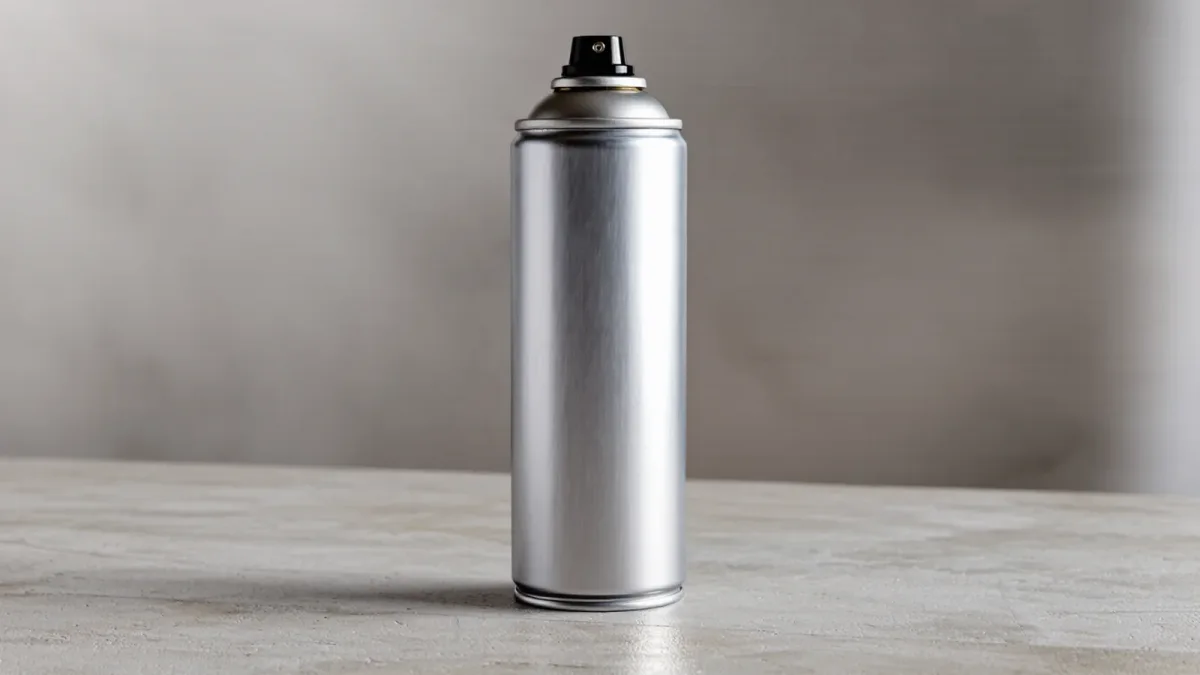
Henkel Corporation initiated a nationwide voluntary recall of 25 lots of Schwarzkopf Professional Osis Grip Extra Strong Mousse, 6.76 fl. oz., after a packaging imperfection in the pressurized aluminum cans caused them to leak and, in some cases, burst, per the recall notice posted on the FDA's recalls database. The recall was initiated on November 11, 2025, and covers product distributed through 21 distributors across 12 states.
This site publishes information, not medical or legal advice — anyone worried about an injury or a reaction should contact a clinician, and injury claims belong with a lawyer.
Why were the cans recalled?
The defect sits in the container, not the hair product itself. Pressurized cosmetics — aerosols, pump sprays, self-pressurizing mousses — rely on a sealed canister holding propellant under pressure; an imperfection in the aluminum can means the product can vent slowly on a shelf or fail suddenly in a consumer's hand. Per the FDA notice, Henkel recalled the lots due to this packaging imperfection, and news coverage of the recall cited reports of leaking cans and at least one injury claim. The formula inside was not the subject of the action.
How does a cosmetic recall work?
Cosmetic recalls in the United States are almost always voluntary: the company removes the product and posts a notice, and the FDA publishes it in its recalls database and, where warranted, classifies it by risk. Since the Modernization of Cosmetics Regulation Act took effect, the agency also has mandatory recall authority for cosmetics that it lacked for decades — though most recalls, including this one, remain company-initiated. For consumers, the practical document is the notice itself: lot codes, sizes, and distribution channels, all of which Henkel's notice lists.
What should consumers who own the product do?
Per standard recall guidance, check the lot code printed on the base of the can against the lots listed in the notice, stop using affected cans, and follow the company's instructions for disposal or refund rather than throwing a pressurized can in household trash or incinerating it. Damaged or bulging aerosol cans deserve extra care: store them away from heat and sunlight, and do not puncture them. Anyone who experienced an injury involving a burst can may report it through the FDA's MedWatch system, which is how adverse-event data reaches regulators.
What does this recall say about beauty packaging?
It is a reminder that formulation science gets the attention while container engineering does quiet, load-bearing work. Aerosol hair products are a mature category, and recalls of this kind are uncommon relative to volume — but the consequences of a pressure failure are physical, not cosmetic. Retailers pulled affected lots from shelves, and the episode has given packaging qualification testing a fresh round of attention among suppliers, per trade coverage following the November announcement. The lesson for shoppers is unglamorous and useful: when a pressurized product hisses, bulges, or leaks, stop using it and check the recall database.