
Roughly 500 New Yorkers die from heat-related causes each year, per the NYC Health Department's 2026 heat-related mortality report, released in mid-June — and, counterintuitively, most of those deaths occur on hot but not extreme days, when heat quietly compounds chronic illness rather than causing dramatic heatstroke. The report also tallied 21 direct heat-stress deaths in 2025, the highest recent count, with 19 of them concentrated in a single record-breaking June heat wave.
Why do most heat deaths happen on ordinary hot days?
Because the deadliest effect of heat is slow rather than spectacular. Per the department's analysis, heat exacerbates underlying cardiovascular, respiratory, and kidney conditions, so the mortality it causes shows up across entire heat seasons — including days with highs in the low 90s that would never trigger a warning. Direct heat-stress deaths, where heat is the immediate cause, are the smaller and more visible number: 21 in 2025, with 19 during last June's four-day heat wave, when overnight temperatures barely fell and homes never cooled.
Who is most at risk in New York City?
The report's consistent finding, per prior city analyses, is that risk tracks with housing before it tracks with age: Black New Yorkers die of heat at far higher rates than other groups, a disparity the department attributes largely to historic disinvestment and reduced access to air conditioning in formerly redlined neighborhoods. Older adults living alone, people with chronic heart or kidney disease, outdoor workers, and people taking medications that impair temperature regulation round out the high-risk groups. Air conditioning at home is the single strongest protective factor the data identifies.
What is the city doing differently this summer?
The report lands as the city prepares its warmest-weather toolkit: cooling centers opened across the five boroughs, the Cool Options Finder map, extended pool hours, and outreach programs for homebound older adults during declared heat emergencies. What the mortality data adds is a shift in emphasis — because so many deaths happen off-peak, the interventions that matter most are the unglamorous ones: a working AC unit, a checked-in neighbor, and treating hot stretches as hazardous weather even when the sky is clear.
What should you actually do in a heat wave?
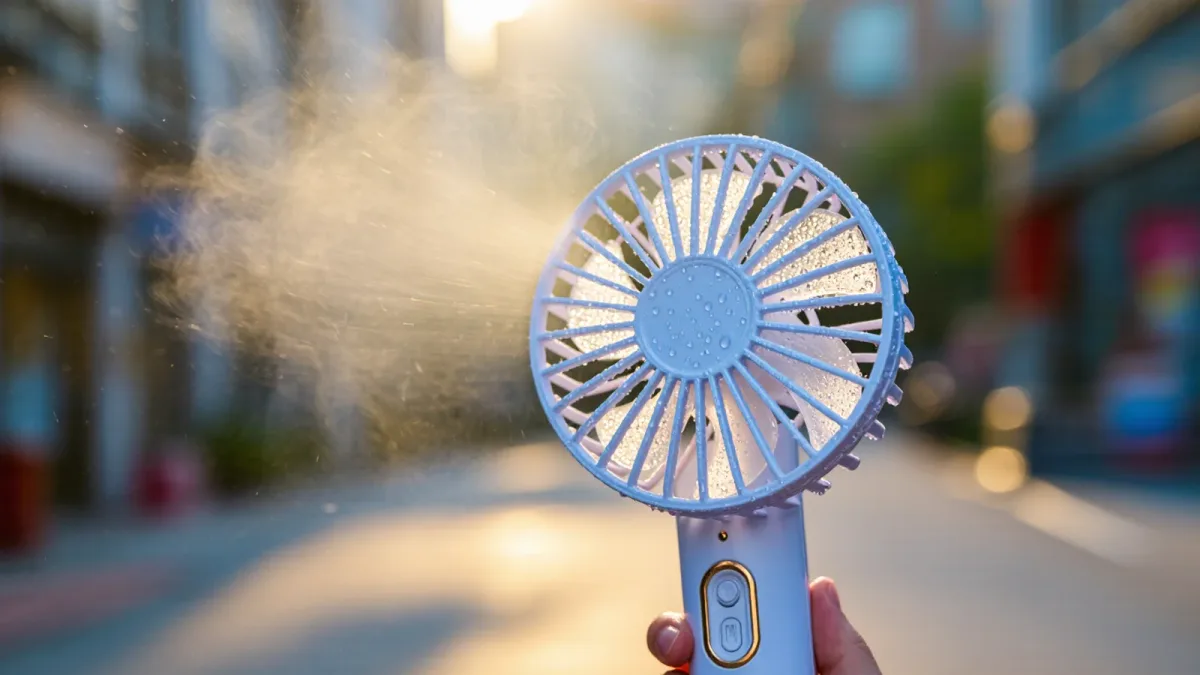
The department's guidance maps directly onto its mortality findings. Keep your home cool with air conditioning where possible — a fan alone does not prevent heat illness in extreme heat — and spend the hottest hours in an air-conditioned public space if home is hot. Drink water throughout the day, check on older neighbors twice daily during declared heat emergencies, and know the warning signs: dizziness, nausea, confusion, or a body temperature above 103 degrees warrant immediate help. The report's arithmetic is blunt — 500 deaths a year — but its prevention list is short enough to act on before the next hot week arrives.