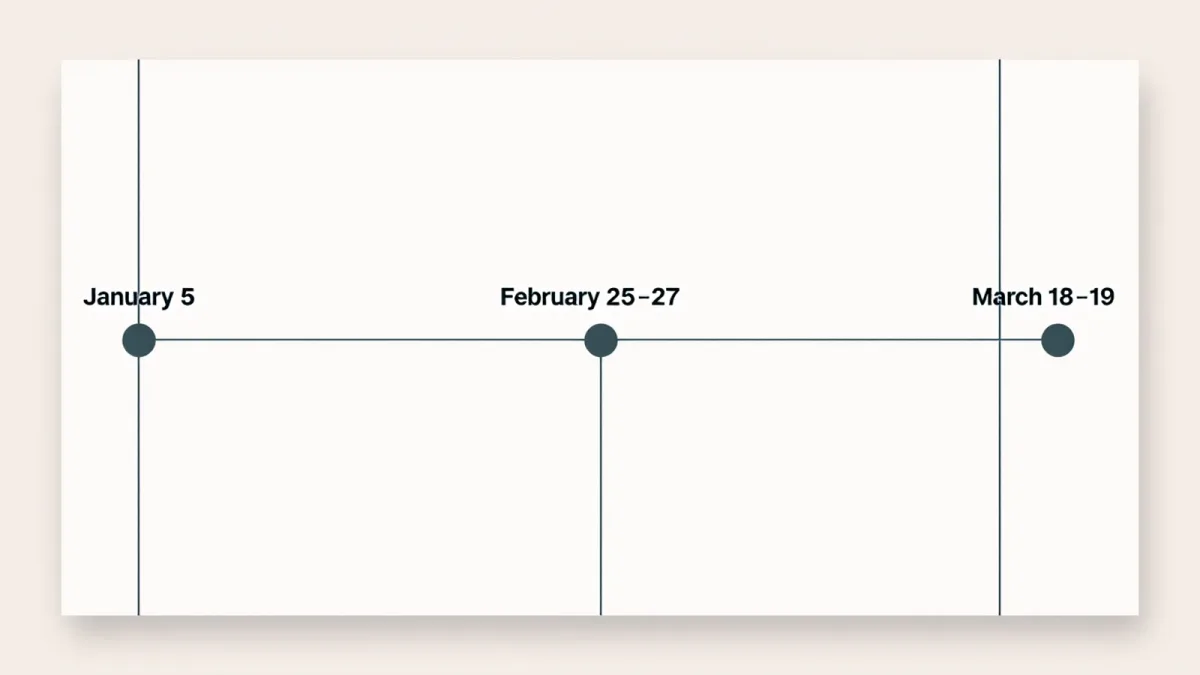
The CDC's vaccine advisory committee, ACIP, has not held a regular working meeting in 2026: its February 25–27 session was cancelled after the required Federal Register notice was not posted on time, per reporting by Healthbeat, and a replacement meeting was noticed for March 18–19. The cancellation capped an unusual sequence that began on January 5, when the CDC released a revised childhood immunization schedule without a formal ACIP vote — a departure from the process that has governed U.S. vaccine recommendations for decades.
What is ACIP, and why does a cancelled meeting matter?
ACIP is the panel of outside experts whose votes traditionally become the CDC's vaccine recommendations — the documents that set which shots are routine for children and adults, which are covered without cost-sharing by insurers, and which vaccines flow through the federal Vaccines for Children program. Per the CDC, the committee normally meets three times a year to review evidence and vote. When its meetings stall, the machinery that turns evidence into coverage policy stalls with it: insurers and public programs typically wait for finalized ACIP recommendations before updating their own requirements.
How did the schedule change without a vote?
The January 5 revision was the year's most consequential surprise. Per Healthbeat's reporting, the CDC published a restructured childhood immunization schedule without the public evidence review and recorded vote that ACIP's charter process calls for — an approach with no modern precedent and one that drew objections from pediatric groups. Observers had expected the cancelled February meeting to take up votes on several vaccines, including COVID-19, influenza, HPV, and RSV, and to consider status changes for some routine recommendations. The Federal Register notice for the rescheduled March 18–19 meeting indicated a wide-ranging agenda, with public comments accepted beginning March 2.
What does this mean for fall vaccination planning?
The timing is the problem. Clinics, school systems, and pharmacy chains build their autumn campaigns — flu for everyone, COVID-19 for older adults, routine catch-up for children — on recommendations that are normally settled by early summer. As of early June, the season's decision-making calendar has been compressed and its outcomes are harder to predict, per coverage of the panel's turmoil. For New York families, the practical advice is unchanged in substance: the vaccines on the current schedules remain the ones clinicians recommend, and school-entry requirements in New York State are set by state law, not by ACIP votes.
What should readers watch for next?
Watch for three things: whether the committee holds a full meeting with documented votes this summer, whether finalized recommendation language appears in the CDC's published schedules with clear dates, and whether insurers announce 2026–2027 season coverage guidance on their usual timetable. A vaccine system can absorb one cancelled meeting; whether it can absorb a year without its normal evidentiary record is the question this summer will answer.