
Ask what separates people who age well from everyone else, and the honest answer is not a supplement stack or an expensive clinic. It is a handful of ordinary habits, repeated for decades: regular movement, decent sleep, sunlight handled sensibly, food that resembles food, and friendships that survive a busy week. None of it requires wealth, and none of it requires the discipline of an athlete.
The unglamorous part is the point. The Cambridge Dictionary defines "everyday" as the ordinary and commonplace, and its corpus examples read like a description of the habits that matter here: reading, cooking, the division of chores, conversation. Aging well lives in that register. It is built from what you do on an unremarkable Tuesday, not from a January resolution.
This guide walks through those habits, separates what evidence generally supports from what marketing sells, and flags the one place where a few dollars of product earn their keep. If you want a broader frame first, our lifestyle coverage keeps returning to the same theme: the cheap stuff outperforms the expensive stuff.
What do people who age well actually do differently?
They move often, sleep on a schedule, eat mostly unprocessed food, protect their skin from the sun, and stay socially connected. That list sounds obvious because it is. The difference is not knowledge. It is that they have arranged their lives so these things happen without effort — a walk built into the commute, a bedtime that holds, a kitchen where the default is real food.
Notice what is missing: nothing on that list costs much money. That matters, because a lot of the wellness market sells the opposite impression. We have looked at what a year of self-care actually costs in this city before, and the pricing rarely tracks the benefit. The habits above are the ones clinicians keep circling back to, in one form or another, when they talk about lifestyle medicine. This connects to our earlier piece, The Price of Wellness in New York: What a Year of Self-Care Actually Costs in 2026.
Why does movement matter more than workouts?
Because frequency beats intensity. The bodies that hold up well tend to belong to people who move a little, often — stairs, walking, carrying groceries, gardening — rather than people who train hard twice a month. Consistency gives the cardiovascular system, the muscles, and the joints a steady signal to stay useful.
New York hands you a head start here. The walking commute is an unplanned health bonus the city hands out for free, and we have measured what it adds up to. If you already walk to the subway, you have banked the hardest habit on this list. If you drive or ride everywhere, the practical move is not a gym membership on day one. It is finding one trip you can make on foot and making it automatic. Readers following this should also see The Walking Commute: New York's Unplanned Health Bonus, Measured.
Strength deserves its own mention. Muscle is one of the quiet currencies of aging, and it responds to resistance work at any age. Our fitness section covers the basics; the short version is that some form of load, done regularly, is the habit people skip most and miss most later.
How much do sleep and daily light count?
More than almost anything else you can buy. Sleep is when the body does its repair work, and people who age well tend to protect it with boring consistency — a similar bedtime, a dark room, and a cut-off for caffeine in the afternoon. Our explainer on the caffeine cut-off walks through the timing, and the one-line version is that the afternoon coffee is the one to question.
Light cuts both ways. Daytime daylight anchors the body clock and supports mood; harsh exposure without protection is the single fastest way to age skin. That is the one place where a product genuinely earns its keep: a sunscreen worn daily is the most evidence-backed step in skincare, full stop. We decoded what the numbers on the bottle actually mean, and the takeaway is that the best SPF is the one you will actually reapply.
What should the kitchen look like?
Like a place where the easy choice is a decent one. People who age well are not on a diet. They have a default: vegetables and fruit within reach, water instead of soda most of the time, and alcohol treated as an occasional guest rather than a nightly one. The alcohol-free drinks trend has made that easier in New York bars, though our review of the category found the prices often assume a wellness premium the ingredients do not justify.
Meal timing is a live research area rather than settled science, and we have covered what the studies show and what they do not. The safe summary: total intake and food quality carry more weight than the clock, so do not let a fasting trend talk you into skipping meals your schedule cannot sustain.
Which skin habits actually earn their keep?
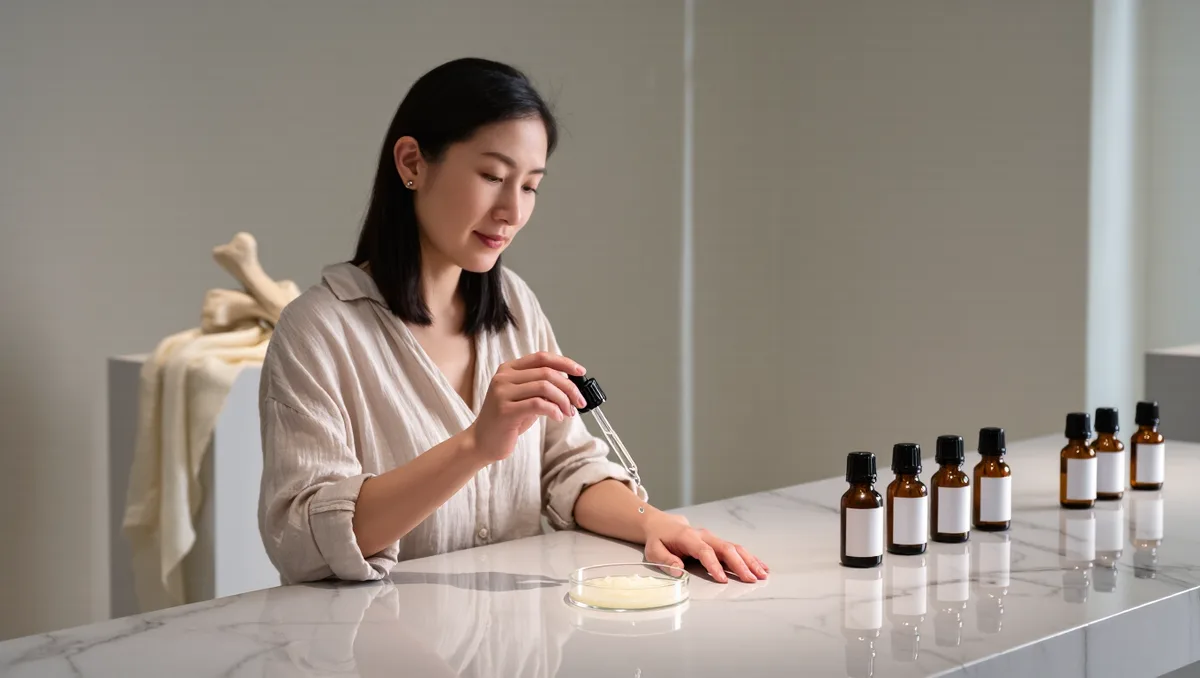
Two, mostly. Sun protection every day, and a basic routine applied in an order that lets each product do its job. Everything beyond that is optimization, and a lot of it is theater. The serum aisle sells hope in dropper bottles; the evidence-backed core is smaller, cheaper, and duller than the marketing suggests.
One habit the industry rarely sells: keeping your expectations cosmetic. A cream can improve the look and feel of skin. It cannot perform medicine. When a skin change is new, spreading, or persistent, that question belongs with a dermatologist, not with a search bar or a shelf.
What this means for your routine
Start with the cheapest habit you can repeat tomorrow, not the most impressive one you can start today. Walk one trip. Set a bedtime and defend it. Wear sunscreen. Cook one more meal than you did last week. See one friend in person. Each item is small enough to survive a bad week, which is the real test — the habits that age well with you are the ones that survive your worst months, not your best ones.
What the evidence establishes is a pattern, not a promise: these behaviors associate with better health across many studies, and none of them guarantee anything for any individual. What remains unknown is how much of any one person's trajectory is habit at all. Genes, luck, and access to care all take their share. The habits are simply the part you hold. Handle that part well and the rest has less to carry.