
Shelves of pills, powders, and gummies promise more energy, better sleep, and stronger everything. Before any of that, it helps to know what a dietary supplement actually is. It also helps to know what the law requires of one, and what it does not. Here is a plain guide, built on the reference literature.
This article is general education only. It is not medical advice. It makes no claims about whether any product works. If you think you need a supplement, discuss it with a qualified health professional first. We covered a connected angle in Third-Party Seals on Supplement Labels: What NSF, USP, and Informed Choice Actually Verify.
What a Dietary Supplement Is
The definition is narrower than the marketing implies. A dietary supplement is a manufactured product intended to supplement a person's diet. It comes in the form of a pill, capsule, tablet, powder, or liquid. A supplement can provide nutrients taken from food sources, or made in a lab. The key word is intended. A product is defined by its purpose, not by proof that it changes your health.
What Is Inside the Bottle
The nutrient classes in supplements include vitamins, minerals, fiber, fatty acids, and amino acids. Some products go further. They may contain substances that have not been confirmed as essential to life, such as plant pigments or polyphenols. By definition, those are not necessarily nutrients. They may still be marketed as having a helpful effect on the body.
That sentence deserves a slow read. Marketing language and nutrient science are two different things. Both can appear on the same label.
A few points of vocabulary help here. A vitamin is a nutrient the body needs in small amounts. A mineral works the same way. Fiber, fatty acids, and amino acids are other classes with defined roles. Anything outside these classes deserves extra care, since its status is less settled.
How Supplements Are Regulated
In the United States, the rules come from a 1994 law. It is called the Dietary Supplement Health and Education Act, or DSHEA. Under the act, supplements are regulated by the FDA for Good Manufacturing Practices. The reference literature on DSHEA notes what the act was meant to do. It was intended to exempt the supplement industry from most FDA drug regulations. Products could then be sold without scientific backing for their health claims.
In practical terms, the testing path is not the one a prescription drug must pass. The law treats supplements as a category of their own. The burden of scrutiny falls more heavily on the buyer.
Questions Worth Asking Before You Buy
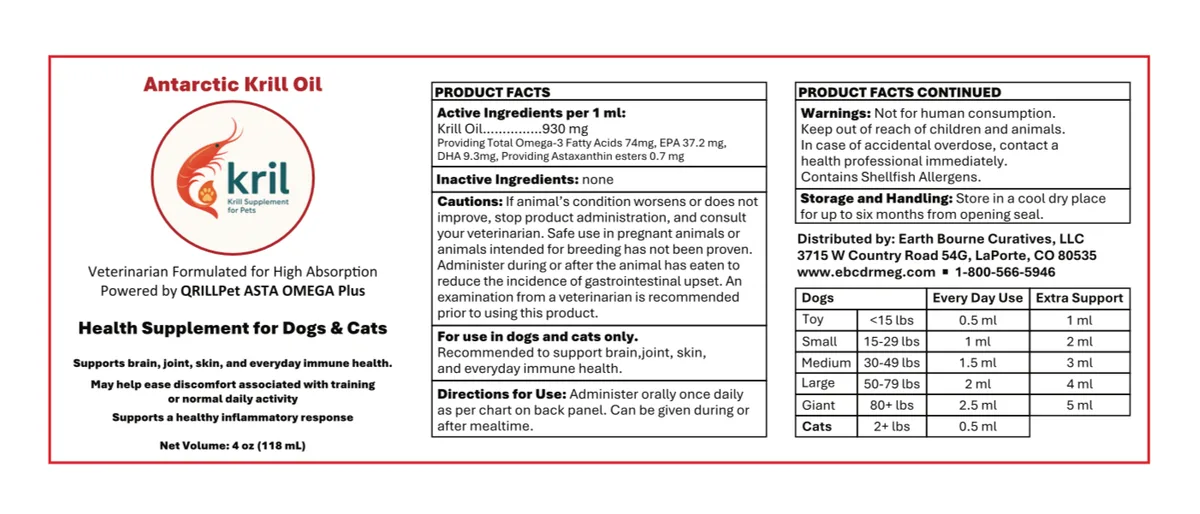
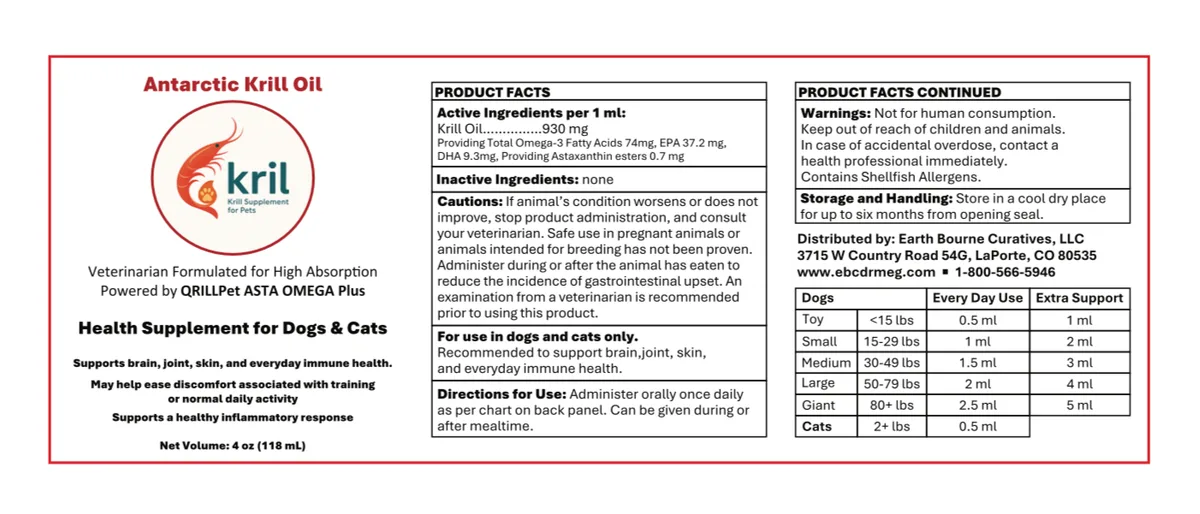
A careful buyer reads the label like an auditor reads a ledger. Start with the basics. What nutrient or compound does the product contain, and in what amount? Is the claimed effect the kind the law allows a supplement to claim? Or does it sound like a drug claim? Does the marketing lean on words such as cure, boost, or detox? Those words carry little defined meaning. Is there any mention of manufacturing standards at all?
None of these questions proves a product good or bad. They simply replace hope with information. That is the right posture for anything you plan to put in your body. It also helps to buy from a seller you can contact. A real address and a way to ask questions say more than a glossy label ever will.
Conclusion: An Informed Buyer Is the Safest Kind
A dietary supplement is a manufactured product meant to add to a diet. The law regulates it in a way quite unlike medicine. Its ingredients may be classic nutrients, or compounds with no proven role in the body. Its claims need no scientific backing behind them. Knowing all this before you shop changes the experience. The label stops being a promise. It becomes a document you know how to read. For related coverage, see Probiotic Strains, Explained: Which Claims Have Trial Evidence Behind Them.