
The word retreat brings images to mind. A quiet cabin in the woods. A morning yoga class by the sea. A phone left switched off in a drawer. But behind the marketing, what actually happens during a wellness retreat, from the first day to the last?
This guide walks through what retreats are, what a typical stay can look like, and what they can and cannot offer, so you know what you are signing up for.
What a Wellness Retreat Actually Is
Retreats are older than the wellness industry. According to Wikipedia, spiritual retreats are an integral part of many Buddhist, Christian, and Sufi communities, and the modern market grew from those roots. The same source lists many types of retreats, including wellness retreats, mindfulness retreats, spa retreats, adventure retreats, detox retreats, yoga retreats, and religious retreats. Wikipedia's overview of spiritual retreats is a useful starting point for that history.
In practice, a wellness retreat is a set period of time spent away from normal life, with a program built around rest, movement, and reflection. The length varies widely. Some last a single day, while others run for a week or longer. This connects to our earlier piece, Morning Wellness Routines Worth Stealing From Real People.
A Typical Day at a Retreat
Programs differ, but many follow a gentle rhythm. Mornings often start with movement such as yoga, stretching, or a guided walk. Meals are usually shared and simple. The middle of the day may hold workshops, treatments, or free time, and evenings tend to be quiet. Readers following this should also see Morning Light and Your Body Clock: How Many Minutes You Actually Need.
That shape is common rather than fixed. Some retreats pack the schedule, and others protect long stretches of empty space on purpose. If you want a plan you can picture, ask the host for a sample schedule before you book.
Solitude or Company: Two Different Experiences
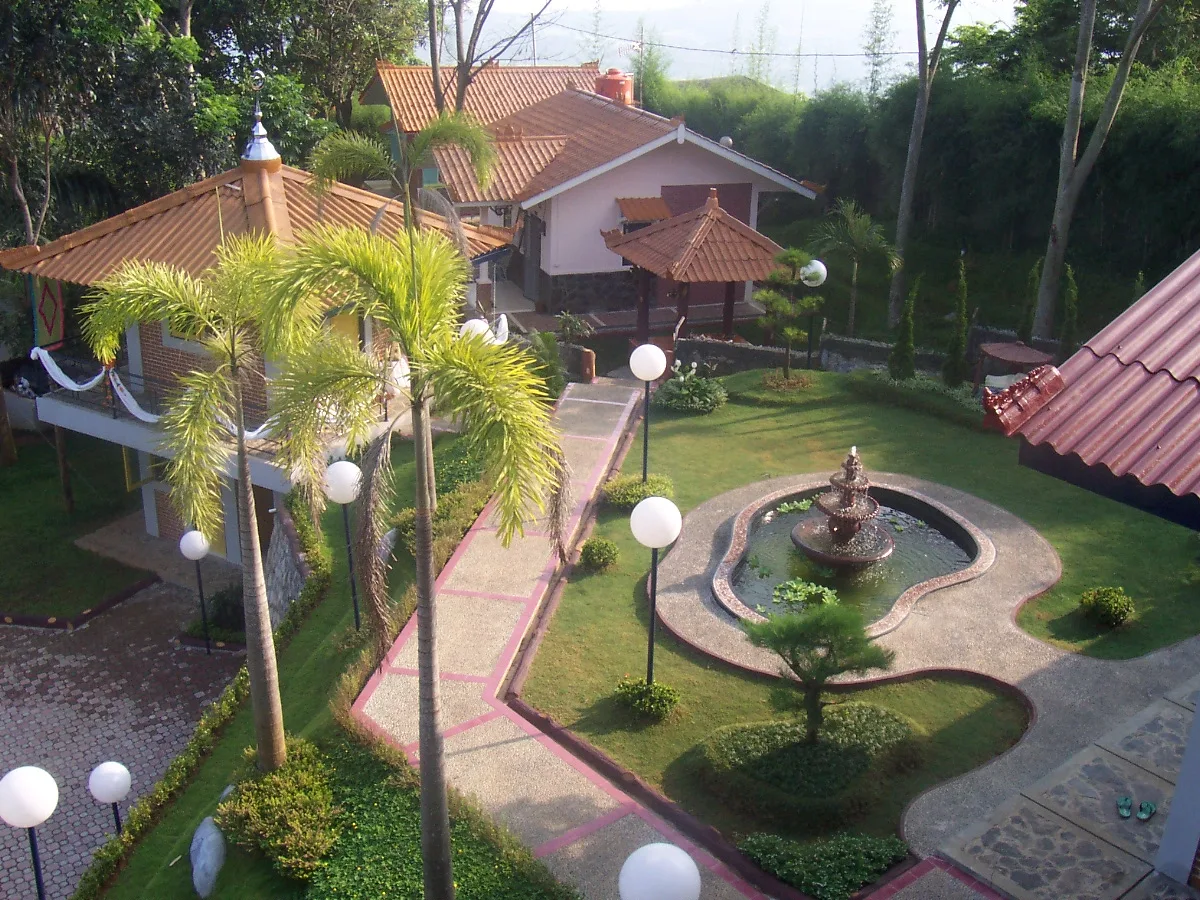
Wikipedia notes that a retreat can either be a time of solitude or a community experience. Some retreats are held in silence, while on others there may be a great deal of conversation, depending on the practices of the host and the wishes of the participants. Retreats are often conducted at rural or remote locations.
Neither style is better. Quiet suits people who want space to think. Group settings suit people who draw energy from others. Knowing which one you need is the most useful question to answer before you choose.
What a Retreat Can and Cannot Do
A good retreat gives you something rare. Time away from screens and noise, healthy food prepared for you, and a slower pace. Many guests leave with clearer heads and a few ideas worth keeping.
It is equally important to be clear about limits. A retreat is not medical care, and it is not a fix for ongoing health problems. Programs vary in quality, and impressive settings do not guarantee qualified staff. Anyone managing a health condition should talk with a healthcare professional before attending, and should check that staff can support their needs.
How to Choose and Prepare
- Decide your goal first, whether that is rest, movement, or quiet.
- Match the format to it, from a silent rural stay to an active group week.
- Ask what is included, such as meals, sessions, and treatments.
- Check the level of activity and tell the host about any health needs.
- Plan your return. Give yourself an easy first day back home.
Preparation is simple. Pack light, tell people you will be hard to reach, and lower your expectations of dramatic change. Retreats work best as a reset, not a rescue.
Conclusion
A wellness retreat is time set aside from ordinary life, built on a long tradition of stepping back from the world. A typical stay blends movement, simple food, quiet, and either solitude or community, per the sources above. Choose the format that fits your goal, keep your expectations modest, and treat the experience as a pause that helps you return to daily life with a clearer head.
This article is for general education only. It is not medical advice.