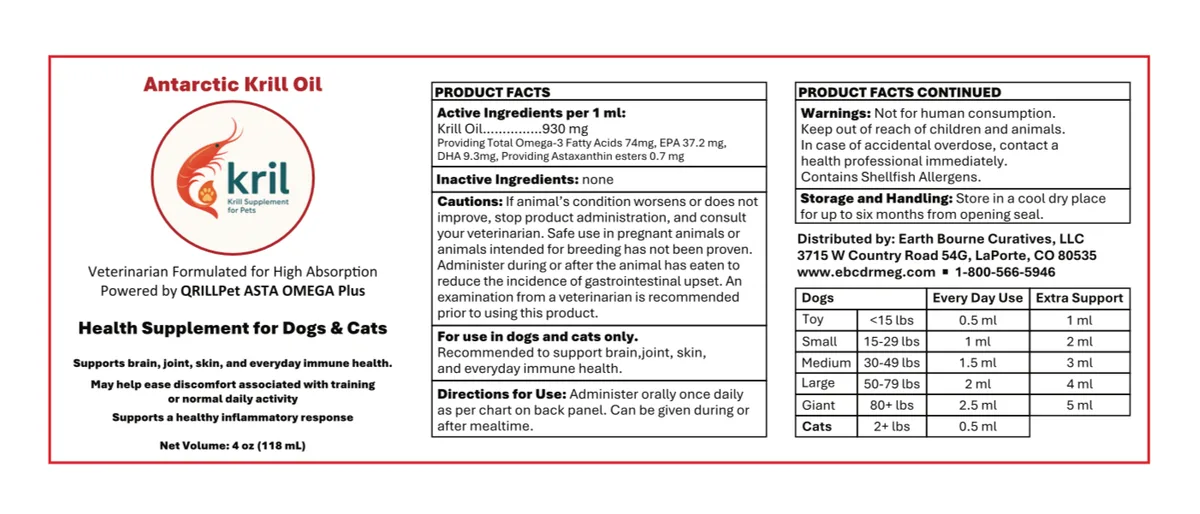

The label makes a promise; the oversight file makes a narrower one. Under the 1994 law that shaped the category, the FDA does not approve dietary supplements before they are sold. That covers safety, effectiveness, and labeling, per the agency's consumer guide, FDA 101. The companies carry the duty themselves. Supplement regulation, in practice, trusts first and checks after.
Two files blur together from the aisle. One asks whether a product works. The other asks who watches the shelf. The science side is its own story; this look at what the evidence supports for biotin shows how thin some answers run. This piece stays with the second file: who holds which duty, and what happens when a jar slips.
For a shopper comparing bottles in a New York store, the mechanics below map the ground. They run from the duty a firm carries to the checks that start only after sale. The topic lives on the dietary supplements desk, where oversight and evidence get separate files.
Who Is Responsible for Safety Before a Bottle Sells?
The company, not the agency. Per the FDA's Questions and Answers on Dietary Supplements, a firm is responsible for what it manufactures or distributes. The product may not be adulterated or misbranded. Companies generally do not have to hand their safety evidence to the agency. One exception covers a new dietary ingredient absent from the food supply; it triggers a notification at least 75 days before sale.
That structure surprises many shoppers. The default posture is trust, with paperwork behind the curtain and no reviewer at the door. The agency's role begins, in the main, once a product is already on the market. The notification exception is the one point where a regulator sees a formula first. Readers following this should also see Green Tea Extract and the Liver: Reviewing the Safety Reports Behind the Warning Labels.
What Does the FDA Check After Sale?
The market itself. The FDA conducts inspections, monitors the marketplace, and examines imports, per its own question-and-answer page. Facility checks fit there too. The agency periodically inspects manufacturing plants to verify firms meet the standards, per its FDA 101 consumer guide. That guide adds a blunt line. A company can often bring a supplement to market without notifying the FDA at all.
Enforcement tools wait behind that. The agency can act against adulterated or misbranded goods once they surface. Import checks matter in a port city, where much of what fills local shelves arrived by freight. What the agency cannot do is stand between a formula and the shelf in advance.
What Can a Supplement Label Legally Claim?
Structure and function, with evidence on file. A firm that makes a structure/function claim needs proof in hand. The statement must be truthful and not misleading, per the FDA's question-and-answer page. The phrase covers claims about how a product affects the body. That boundary decides which file a complaint lands in. Disease claims are another matter. A product intended to treat, prevent, or ease disease symptoms is a drug, per the agency's guide, and drug rules take over. We covered a connected angle in Probiotic Strains, Explained: Which Claims Have Trial Evidence Behind Them.
How Do Problems Reach the Agency?
Through reports from people. MedWatch, the FDA's safety reporting program, collects reports from the public, per the agency's program page. When warranted, it publishes safety alerts for regulated products. The channel matters because post-market oversight runs on signals, and doctors and patients supply most of them. For a New Yorker reading a label at the counter, that channel is the fastest lever a buyer holds.
Conclusion: The Checks Are Real, but They Start Late
Supplement regulation asks the buyer to understand an order of operations. The firm owns the safety file. The FDA checks after the fact, through inspections, imports, and alerts. The label is the one document the statute shapes directly. In New York or anywhere else, the sharpest check is a close read. Notice what a jar promises, and what it carefully avoids.