Lifestyle covers health as it is practiced in a crowded city: air quality on bad days, water hardness, commuting stress, sleeping through noise, and judging whether a salon or clinic meets basic hygiene and licensing standards. Practical, local, and free of aspirational staging.
Living well in a dense city: air quality, commuting, water hardness, salon and clinic standards, and adjustments that survive a New York schedule.
Sleep research puts the comfortable bedroom near 66 to 70 degrees Fahrenheit, and trials show heat above that range cuts REM and deep sleep — while a warm bath taken an hour or two before bed reduces sleep onset.
Home-clutter research links crowded rooms to elevated stress hormones and overloaded attention — a UCLA field study published in 2012 documented flatter, slower cortisol recovery in mothers of cluttered homes.
Eating earlier in the day aligns food with the body's metabolic morning advantage — controlled trials show diet-induced thermogenesis can be around 50 percent higher at breakfast than at dinner.
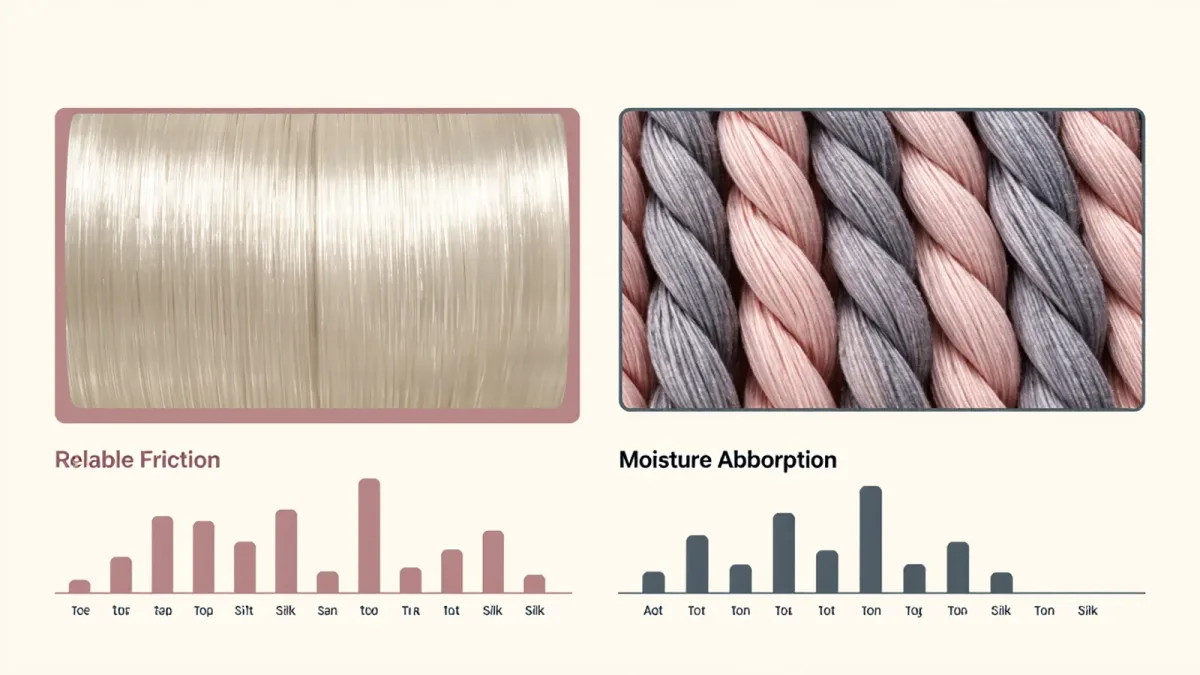
Silk's low friction is a real materials property — quality charmeuse runs 19 to 25 momme — but the skin and hair benefits marketed on top of it rest mostly on plausible mechanics, not clinical trials.
Non-alcoholic spirits and cocktails grew from novelty into a category, and the health case behind them is real but narrower than the marketing implies — the WHO's 2023 position leaves no safe dose.
A New York commute built on foot and subway delivers much of the 150 weekly minutes of moderate activity the CDC recommends — exercise that requires no gym membership and no willpower.